
Launching a microtransit pilot is one thing. Building a transportation service that communities continue to invest in years later is another.
For cities evaluating long-term microtransit solutions, success isn't measured by ridership alone. It's about delivering reliable transportation, managing operating costs, improving access, and adapting as community needs change.
Recent partnership renewals in Hollywood, Florida; Long Beach, California; Stoneham, Massachusetts; and Boca Raton, Florida demonstrate how flexible, on-demand transportation can evolve from an initial investment into a lasting community service.
Start with results, then build on them
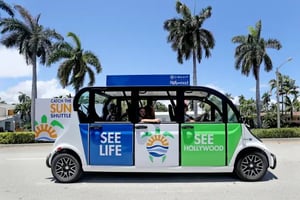 In 2019, Hollywood, Florida partnered with Circuit to replace three underused diesel trolleys with 10 electric vehicles. The transition to on-demand microtransit reduced cost per rider by more than 80%, creating a more efficient transportation option for residents and visitors.
Rather than maintaining the original service model, Hollywood continued making improvements. The city expanded service into West Hollywood in 2023 and introduced a modest fare to support long-term sustainability. By 2024, the program was delivering more than 97,000 rides annually and generating an estimated $350,000+ in monthly economic impact.
Grow service alongside community demand
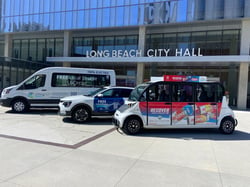 Long Beach, California offers another example of how a microtransit pilot can grow into an established transportation program.
What began in 2018 as a small electric shuttle pilot has expanded to serve key commercial corridors, neighborhoods, and transit connections. Today, the service carries more than 8,000 passengers monthly, with an average wait time under 10 minutes.
As demand grew, Long Beach expanded its service area and fleet, including ADA-accessible vehicles, to connect more residents with healthcare, shopping, employment, and local businesses.
Use rider feedback to improve performance
In Stoneham, Massachusetts, the biggest improvement came from changing how the service operated. 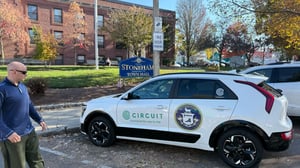
After launching in November 2024, Circuit identified that designated virtual pickup stops were limiting ridership. Working with the town, Circuit transitioned the program to fully on-demand, point-to-point service and added a connection to the MBTA commuter rail.
Ridership increased, and the Stoneham Shuttle has since served more than 25,000 passengers, including over 17,000 in the past year.
The lesson: successful microtransit programs aren't static. They improve through performance data, community feedback, and operational adjustments.
Long-term microtransit requires long-term flexibility
No two communities have identical transportation needs. Hollywood's priority was reducing costs, Long Beach focused on expanding local connections, and Stoneham improved accessibility by rethinking its pickup model. 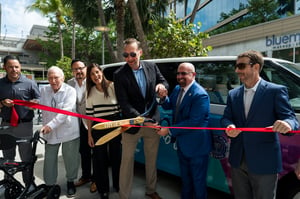
Boca Raton, another Circuit partner that recently renewed its service, further reflects the importance of maintaining transportation options that can evolve with a city's goals.
Across these communities, the common thread is a partnership built around measurable performance and continuous improvement.
For cities considering microtransit, the goal shouldn't simply be launching a successful pilot. It should be building a transportation program that continues delivering value year after year.
Learn More About Circuit and Our Service Impact
• Circuit Champions: The People Moving Cities: Yvette Drucker
• Pregnant in Trenton? This electric shuttle service is offering free rides
• Driving Independence: Senior Mobility in Chula Vista
• Reconnecting the Rockaways: Affordable Mobility for an Underserved Community
